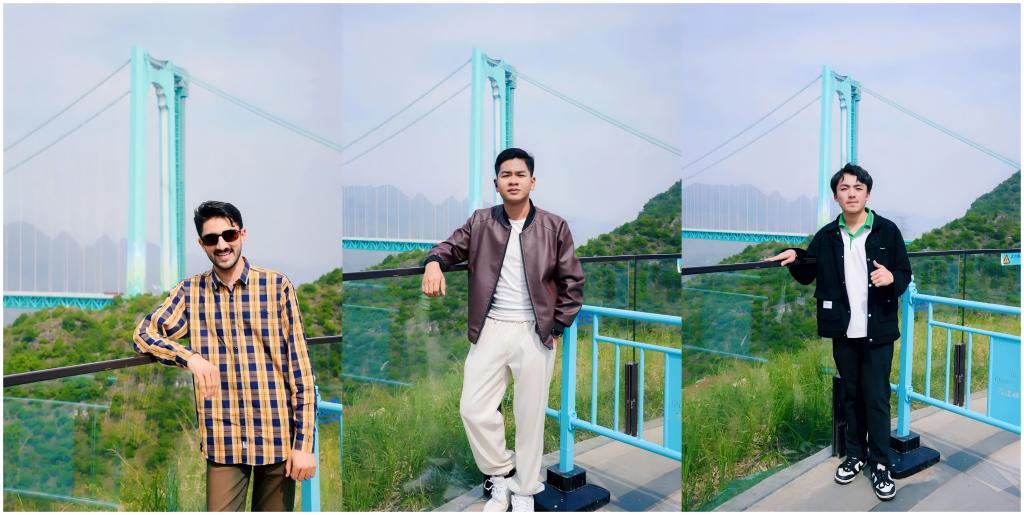
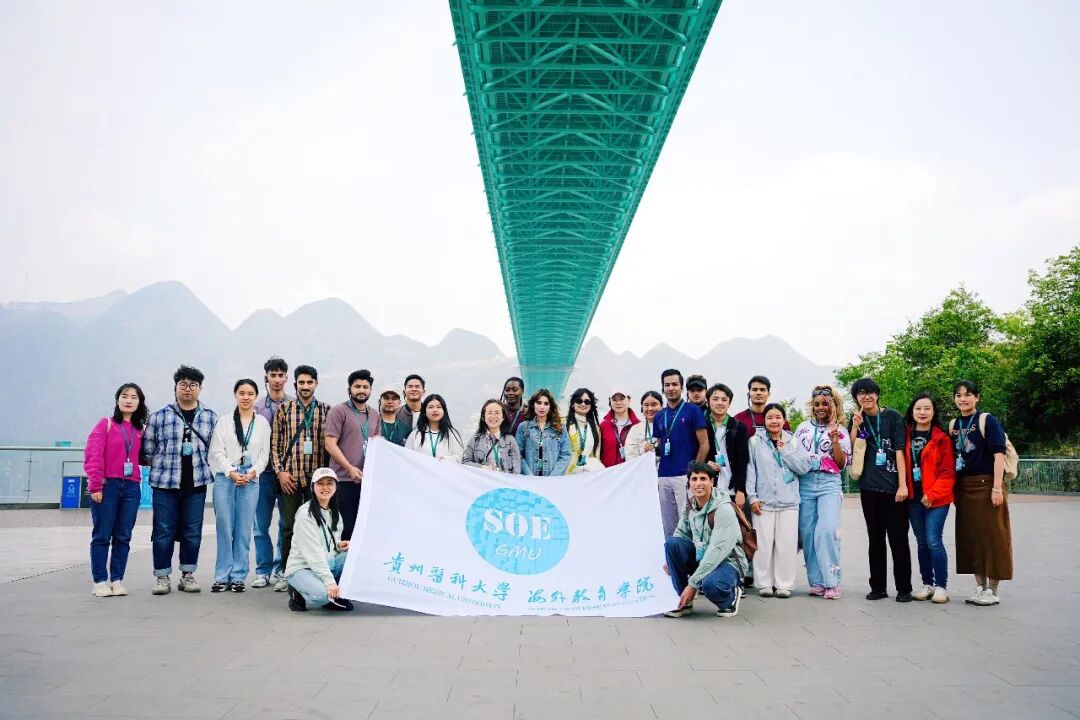
On April 25th, I joined my schoolmates and teachers on an educational trip to the Huajiang Canyon Bridge in Guizhou Province, the world’s highest bridge, officially certified by Guinness on April 28, 2026. The trip was both exciting and educational, giving us a chance to experience one of the world’s most impressive engineering structures beyond classroom learning.
The journey itself was meaningful. As we travelled through the mountainous landscape of Guizhou, the scenery became increasingly dramatic—deep valleys, steep cliffs, and winding roads carved into karst formations. It became clear why such infrastructure is necessary in this region, where natural geography makes transportation difficult without advanced engineering solutions.
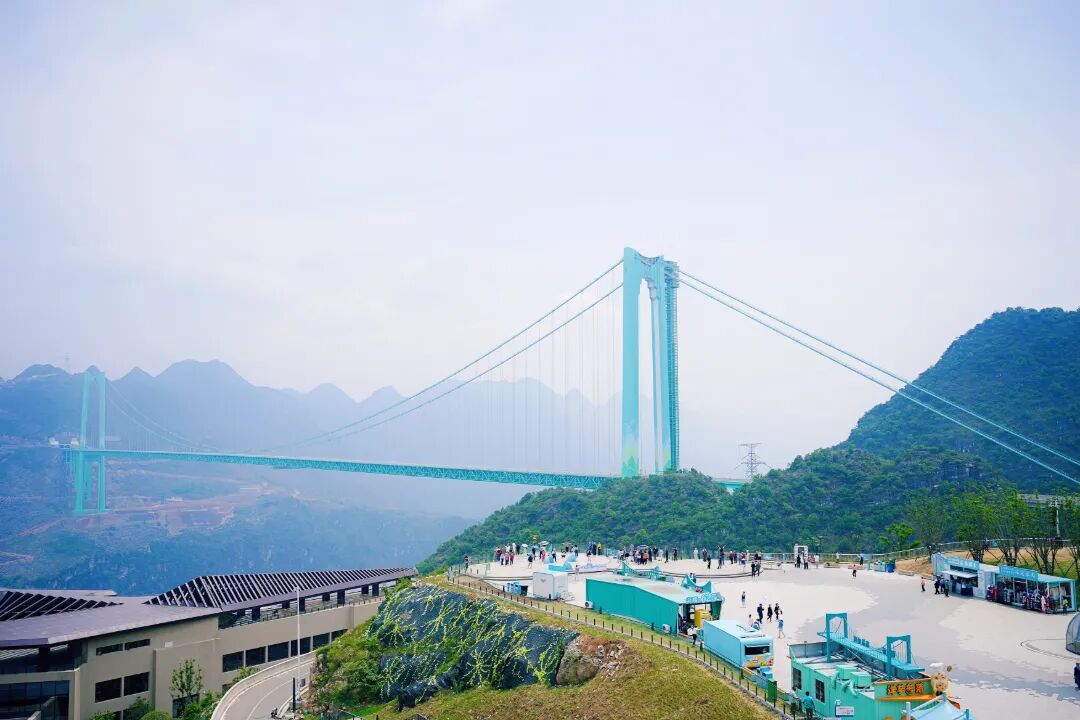
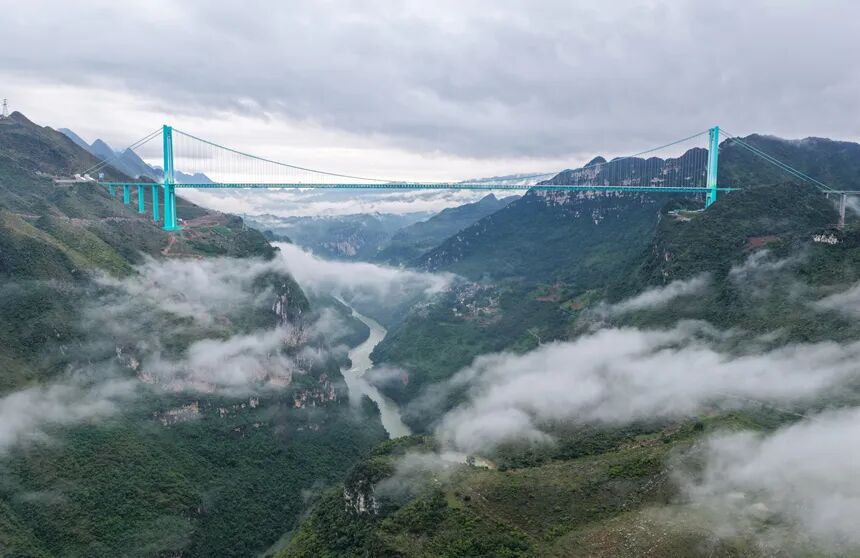
From an engineering perspective, the Huajiang Canyon Bridge is a suspension bridge with a total length of about 2,890 meters and a main span of approximately 1,420 meters. Its deck is located around 625 meters above the Beipan River, making it the highest bridge in the world by vertical clearance, while the two main towers rise to over 260 meters, providing compression support as the main cables carry the load in tension and transfer forces to the anchorages. What stood out to me is how the entire structure works as a balanced system of forces: vertical suspenders distribute the deck load to the main cables, which then transfer it to the towers and anchors, creating a highly stable system designed to withstand wind, vibration, and heavy traffic despite its light and open appearance.
One of the most unforgettable moments was crossing the bridge by bus. Looking out from the windows, the canyon below felt extremely deep, almost giving the impression of floating above the sky. This moment made engineering concepts such as load distribution and structural stability feel much more real than in textbooks.
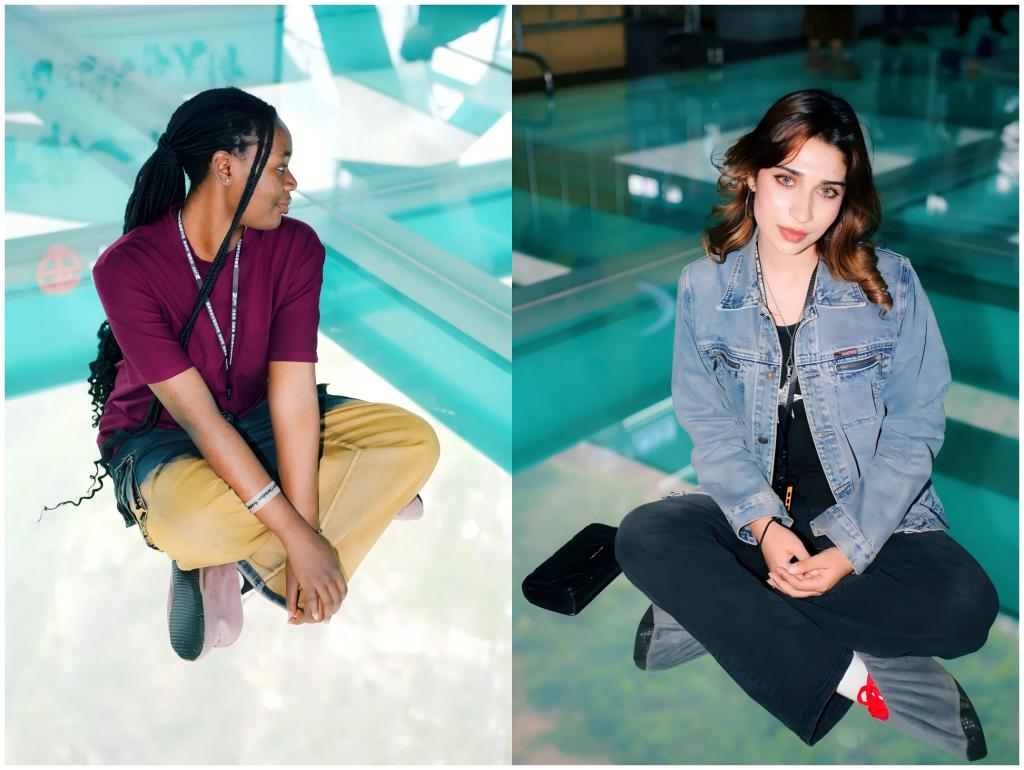
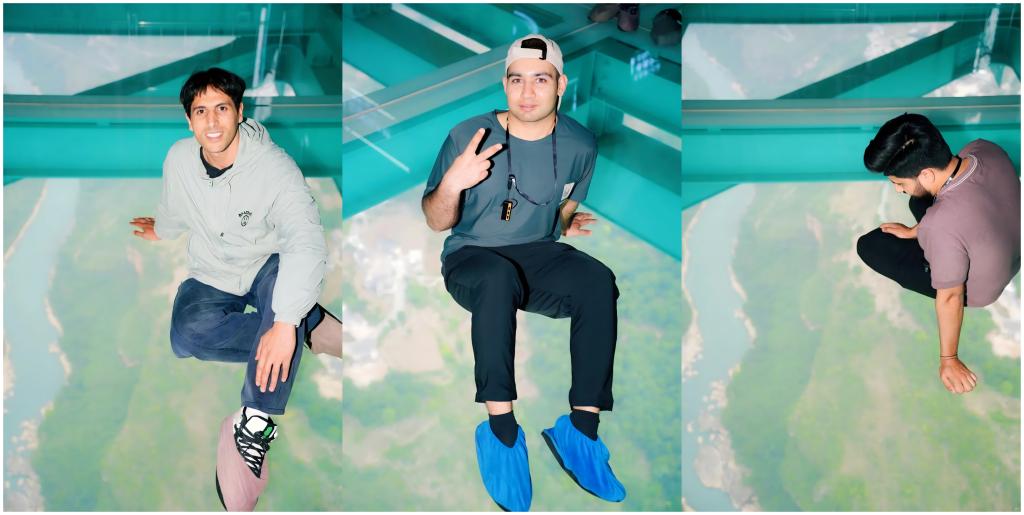
We also explored the underside of the bridge, where there is a dedicated tourist attraction walkway built for visitors. It features a long pedestrian path with transparent glass flooring, designed using laminated safety layers to ensure both strength and durability while still allowing clear visibility of the canyon below. Walking across it was both thrilling and slightly intimidating, as the depth beneath us was fully visible through the glass. The area was also designed for tourism activities, and many of us took photos and videos, with some even sitting or lying on the glass panels—turning initial fear into an exciting and memorable experience.
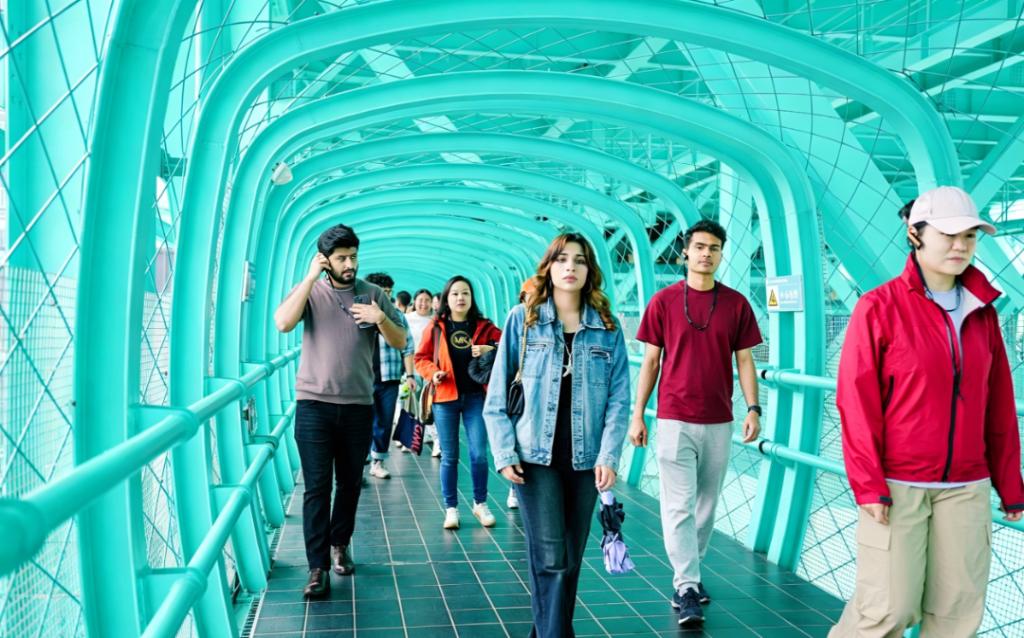
In addition to the learning experience, it was also a good time to socialize. Sharing the journey with classmates and teachers created moments of laughter, discussion, and bonding, especially during breaks and while exploring different sections of the bridge. This made the trip feel more connected and enjoyable beyond its academic value.
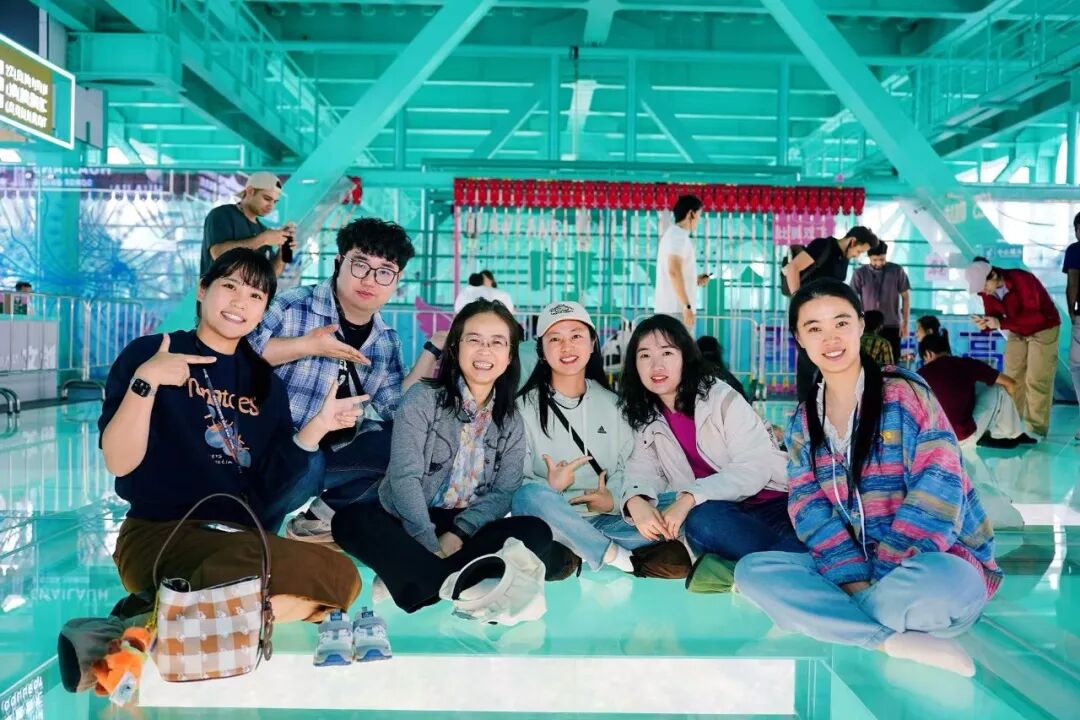
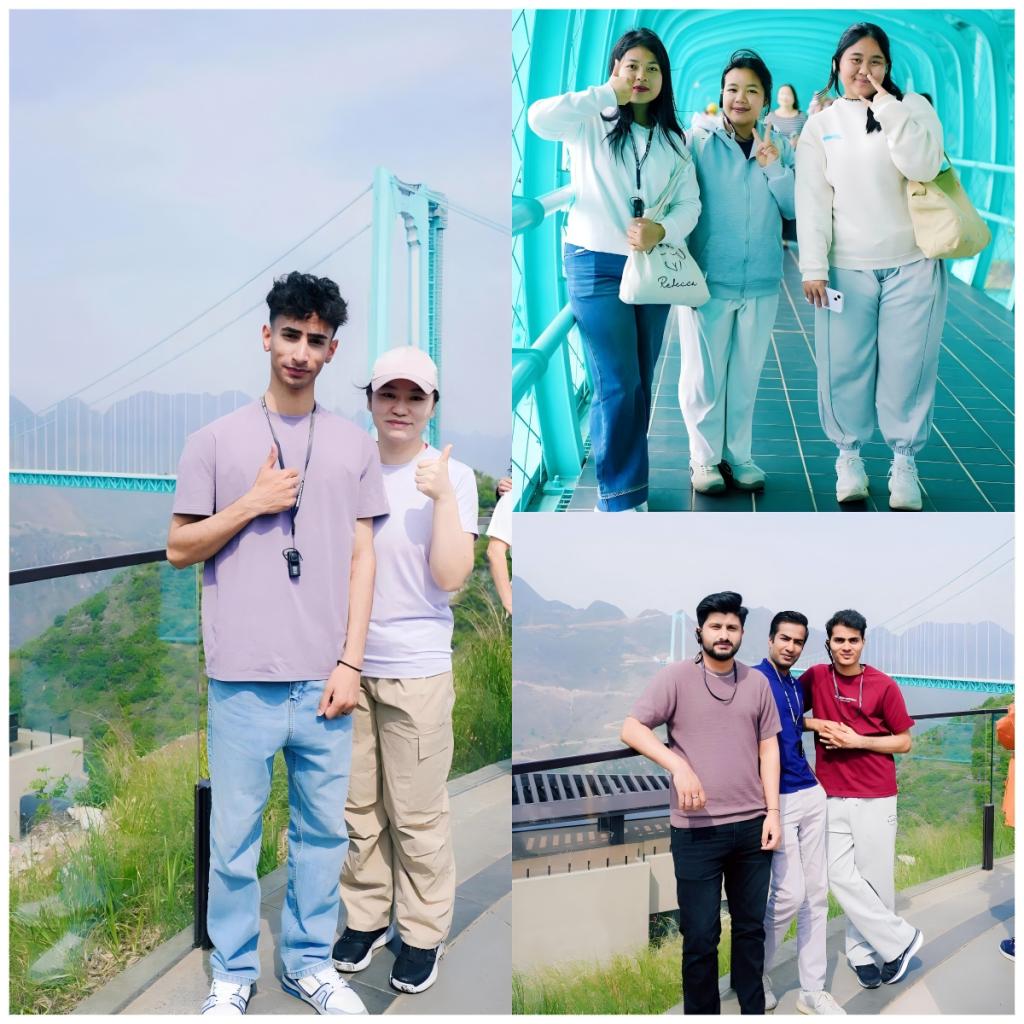
We also had lunch together as a group, which provided a relaxed moment to reflect on the experience and share personal impressions of the visit.
In conclusion, this field trip was both educational and personally meaningful. It deepened my understanding of large-scale engineering systems while also highlighting how infrastructure shapes human life. The Huajiang Canyon Bridge is not only a remarkable engineering achievement but also a symbol of connection, innovation, and shared experience.
video recap: (filmed and edited by OPENE CHIDERA JOYCE from 2025 batch)


 中
 Search
 Current position:


